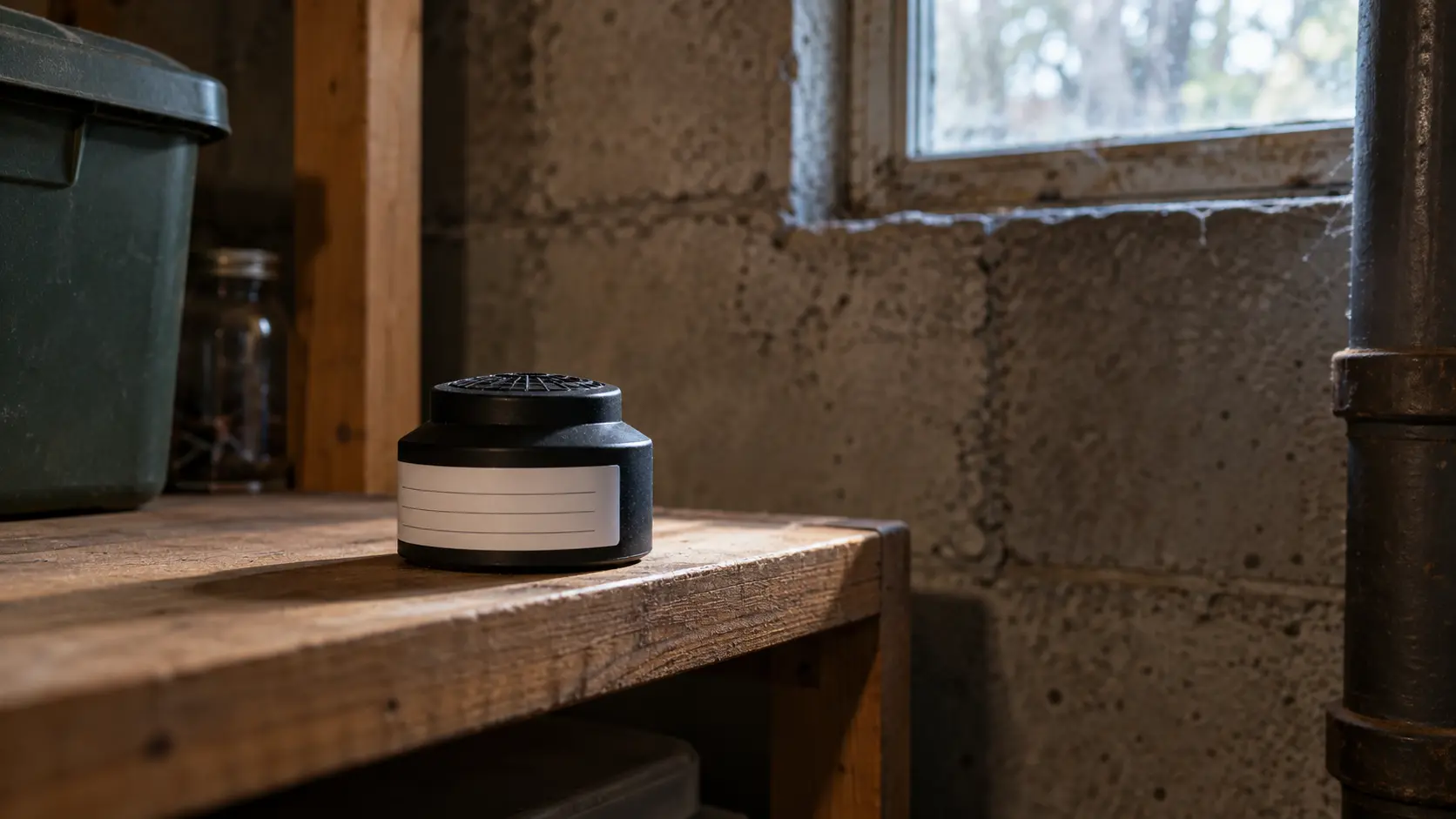
Radon is invisible, odorless, and generally not something homeowners think about unless a home inspection flags it during a purchase. But it's worth putting on your own recurring maintenance calendar rather than treating it as a one-time box to check, because the conditions that let radon into a home can change over time even when nothing looks different on the surface.
How often to test
Test if the home has never been tested or if the result is unknown. EPA’s retesting guidance is trigger-based: retest after a major renovation or change in how a lower level is used, and consider a new test when an earlier result is more than two years old in a home sale or when prior test conditions were uncertain. EPA does not set a universal two-year maintenance interval for every home. Follow current state guidance and test the level where people spend time.
After radon reduction work, test again to confirm the system lowered the reading; CDC recommends retesting a few months after the home is fixed. Follow the mitigator’s instructions and current state or professional guidance for timing, and retest after system repairs or major building changes.
The action level that actually matters
EPA recommends fixing a home when the long-term average or the average of follow-up short-term tests is at or above 4 picocuries per liter (pCi/L). CDC also says to consider reducing radon when levels are between 2 and 4 pCi/L; there is no known safe level. A result is a measurement under specified test conditions, not a guarantee that concentration is identical in every room or season.
Why this is worth taking seriously
- Short-term test kits (2-90 days) give a faster initial read and are widely available at hardware stores or through your state radon program.
- Long-term test kits (more than 90 days) give a more representative picture of your home's year-round average, since radon levels can fluctuate with weather and season.
- Place the test kit on the lowest lived-in level of the home, away from drafts, exterior doors, and windows, following the kit's specific instructions.
- If your result comes back at or above 4 pCi/L, EPA recommends a follow-up test to confirm before proceeding to mitigation, since results can vary.
- If mitigation is installed, retest afterward to confirm the reduction actually worked, rather than assuming installation alone solved the problem.
Choose a test and interpret the result correctly
For an initial test, use a device and placement procedure that meet the kit instructions or arrange a measurement by a qualified radon professional. The lowest lived-in level is the relevant starting point; an unused basement reading does not directly describe exposure in bedrooms upstairs, while a newly finished lower level should be tested before regular occupancy. Keep the result, test dates, device type, room or level, and any closed-house notes with home records. Test placement and building conditions matter, so do not compare two readings as if they were taken under identical conditions unless the protocol supports that comparison. A state radon office can explain local programs and professional credentials.
Do not use a county risk map or a neighbor’s test as a substitute for measuring your own home. Radon can differ between adjacent houses and between levels in one building. If you have multiple lived-in lower levels or a large renovation planned, ask the state radon program or a qualified measurement professional which rooms should be tested and whether follow-up measurements are appropriate.
A short-term test can provide a quick screen when you need an initial answer; a long-term test better represents average exposure because levels vary over time. Place the device on the lowest lived-in level according to its instructions, keep it away from drafts and high humidity, and observe closed-house conditions if the kit requires them. If a short-term result is at or above the action level, use a follow-up test and consult a qualified radon professional rather than estimating a mitigation design from the number alone. State radon offices can explain local test-kit and professional-certification options.
What radon level requires action?
EPA recommends taking action to reduce radon levels when a test result comes back at or above 4 picocuries per liter (pCi/L). A reading below that level doesn't mean zero risk, since radon has no fully safe threshold, but 4 pCi/L is the specific point EPA recommends as the trigger for mitigation.
How often should I retest my home for radon?
EPA recommends testing if the home has not been tested or the result is unknown. Retest after a major renovation, if you begin using a lower level as living space, or when an older test may not reflect current conditions. A buyer may request a new test when the last one is more than two years old or renovations have occurred. The two-year reference is a reason to verify a stale result, not a universal testing schedule for every occupied home.
Why is radon considered such a serious health risk?
EPA identifies radon as the leading cause of lung cancer among people who have never smoked and the second leading cause of lung cancer overall after smoking. EPA's estimates attribute roughly 21,000 lung cancer deaths per year to radon exposure, including around 2,900 among people who never smoked.
Do I need to retest after installing a radon mitigation system?
Yes. Test again a few months after reduction work to confirm the result, then follow the system professional’s and local program’s guidance for later checks. Also retest after repairs or renovations that could affect the system. Do not rely only on a fan’s sound or power light as proof that indoor radon is controlled.