Extreme heat is not the time to discover a clogged filter, overflowing condensate line or sun-baked room with no fallback. Reduce heat gain early and have a realistic cooling option if the house cannot stay safe.
Prepare the house before indoor temperature starts climbing
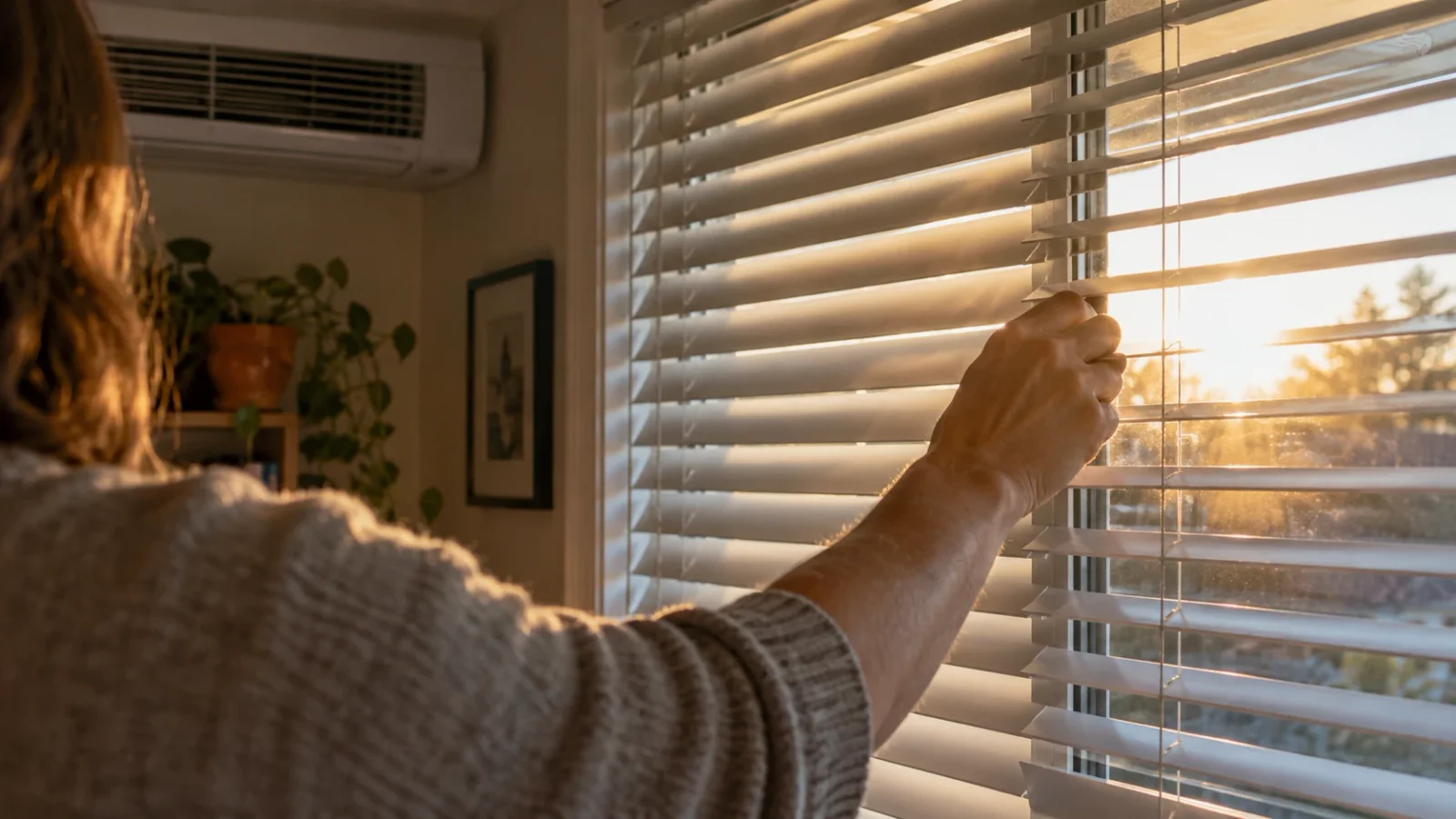
Close shades or curtains on strong solar exposures early in the day and reduce avoidable internal heat from ovens, dryers and other large appliances during the hottest hours. Check the HVAC filter and make sure outdoor equipment is not buried in vegetation or debris. Look at the condensate drain or pump area for standing water or overflow evidence. These are safe owner observations; refrigerant charge, live electrical faults and sealed mechanical repairs are not.
Ready.gov advises reducing oven use and arranging access to air conditioning or another reliable cooling location before conditions become dangerous. Identify who may need extra help, including older adults, children, people with chronic conditions, and pets. A fan is not a substitute for cooling during extreme indoor heat; if the house keeps warming, use a local cooling center or another air-conditioned location rather than repeatedly lowering the thermostat.
- Identify the coolest room in advance and keep it shaded.
- Know where you can go locally if the house loses safe cooling.
- After the heat wave, inspect HVAC drains and exterior equipment before returning to a normal maintenance rhythm.
Lower heat gain before the afternoon peak
| Window | Maintenance checkpoint | What changes the date |
|---|---|---|
| Before heat arrives | Check HVAC filter and clear outdoor unit airflow | Dirty filters and blocked equipment raise workload. |
| Morning | Close shades on strong-sun windows and pre-plan low-heat meals/activities | Reduce heat gain before the afternoon peak. |
| During heavy cooling | Inspect around condensate drains/pans for water | Long runtimes create more condensate. |
| Ceiling fans | Use fans for occupant comfort in occupied rooms and set direction per fan guidance | Fans cool people, not empty rooms. |
| Power plan | Know where you can go for cooling if an outage becomes unsafe | Ready.gov recommends planning for safe cooling during outages. |
| After event | Review which rooms overheated and whether ducts, shading, insulation, or equipment need evaluation | Use the heat wave as diagnostic data. |
Know the signs that the house is losing the heat battle
- AC runs continuously with rising indoor temperature.
- Breaker trips repeatedly.
- Condensate overflows.
- Vulnerable household member cannot stay safely cool.
Know the house’s hottest safe room before the outage test arrives
Before peak heat, identify which occupied room stays coolest with shades closed and which windows receive the strongest afternoon sun. Put drinking water, phone charging, needed medications, and pet supplies into the heat plan. Keep the filter schedule and outdoor-unit clearance current, and check the condensate path from a safe position without opening sealed equipment.
If indoor temperature keeps rising despite normal settings, note the time, outdoor conditions, thermostat setting, unusual cycling, condensate behavior, and any change in airflow. That record can help a technician. During a power outage or dangerous indoor heat, move to a cooler location and check on vulnerable household members; diagnosing equipment comes after people are safe. Check local air-quality alerts before opening windows to cool the house, especially during wildfire smoke. If you use a portable cooling unit, follow its installation and electrical instructions and keep the exhaust path clear. Do not rely on an oven, grill, or fuel-burning heater to warm food or power a room during an outage.
| Hot-humid | Dry or wildfire-prone | |
|---|---|---|
| Main concern | Humidity and condensate control. | Solar load, smoke, and air-quality limits on ventilation. |
| Useful preparation | Watch condensate and identify a safe cooling fallback. | Shade strong-sun rooms and plan a fallback when smoke limits opening windows. |
| After the event | Review moisture and cooling performance. | Review hot rooms and exposure-related comfort changes. |
Plan one room and one outage strategy for the hottest hours
Hot-humid climates require moisture control as well as temperature management; dry climates may cool quickly at night but have intense solar load; wildfire smoke can make open-window ventilation unsafe. Match the backup plan to local alerts and the home’s construction.
A service call or filter is cheap compared with emergency replacement. Longer-term spending may go to shading, air sealing, insulation, ducts, or right-sized equipment after professional evaluation.
Electrical and refrigerant faults require service
Refrigerant work, repeated breaker trips, internal electrical repair, and any heat illness emergency are not DIY maintenance. Use qualified HVAC/electrical service and emergency medical guidance as needed.
Heat-wave questions
What can I do before a heat wave to reduce the load on the AC?
Start with low-cost load reduction: check the HVAC filter, keep supply and return registers open, clear debris around the outdoor unit, close shades on strong sun exposures, and shift oven or dryer use away from the hottest hours. Confirm the thermostat and condensate area look normal before the heat arrives. These steps do not increase system capacity, but they reduce avoidable load and give you time to notice a problem before contractors are overwhelmed.
Why should the condensate drain be checked during extreme heat?
The cooling system removes moisture as it runs, so extreme heat can mean long operating hours and much more condensate. A partially blocked drain or overflowing pan may therefore become visible during the exact period when the AC is working hardest. ENERGY STAR includes condensate-drain inspection in professional maintenance. Water around the indoor unit, a full pan or repeated float-switch shutdown is a drainage problem to correct, not a reason to bypass a safety switch.
Which signs mean the cooling system needs service rather than another thermostat adjustment?
Call for service when cooling output drops sharply, airflow is weak despite a clean filter, ice forms on coils or refrigerant lines, water appears where it should not, breakers trip repeatedly, or the system starts and stops abnormally. During extreme outdoor temperatures a correctly operating unit may run for long periods, so runtime alone is not a diagnosis. Look for a change from the house's normal behavior and for fault symptoms that another thermostat adjustment cannot solve.