Do not turn summer into a random project list. Use it to reduce cooling stress, keep moisture moving out of the house and take advantage of warm dry periods for exterior work that would be harder in rain or freezing weather.
Use summer for load and exposure checks
| Window | Maintenance checkpoint | What changes the date |
|---|---|---|
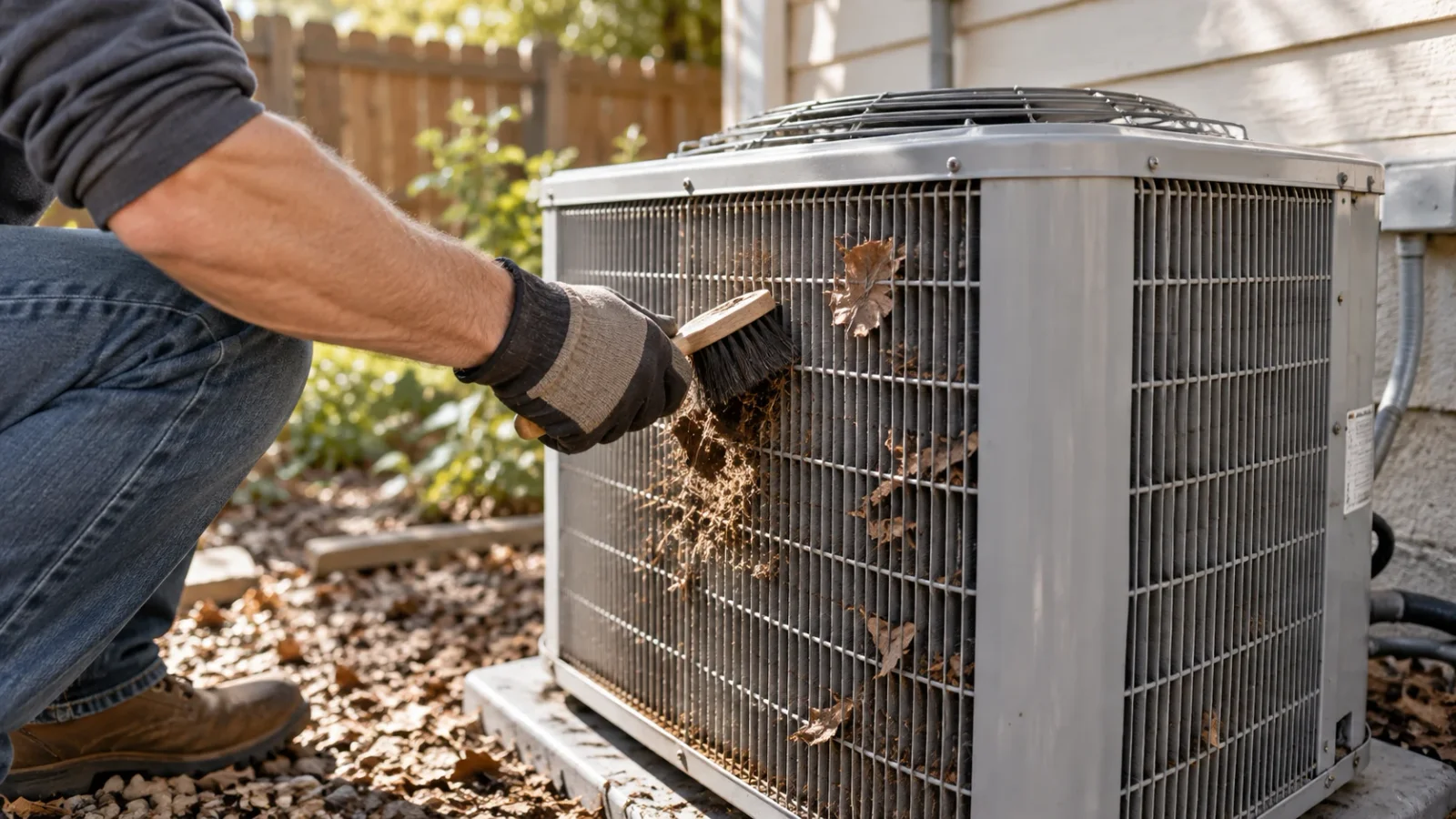
| Monthly during heavy cooling | Check the HVAC filter and keep outdoor equipment free of grass, cottonwood, and debris | Restricted airflow makes cooling equipment work harder. |
| Early summer | Look at the condensate drain termination and the area around the air handler for water | A blocked drain can cause water damage and raise indoor humidity. |
| After first hot week | Check attic access area for extreme heat, blocked soffit vents, or displaced insulation | Attic conditions can expose ventilation and air-sealing problems. |
| Every few weeks | Walk doors, utility penetrations, screens, and foundation gaps for pest entry | Warm weather increases insect and rodent activity. |
| Dry weather window | Probe exterior wood for softness; inspect stain, paint, deck boards, rails, and fasteners | Finish failure is easier to correct before wood stays wet. |
| Before vacation | Clear drains, set realistic thermostat controls, and arrange a house check | Heat plus an unattended leak can create a large loss. |
When heat or moisture turns maintenance into repair
- AC runs continuously but rooms stay warm.
- Water appears below the air handler.
- Condensation persists on windows or ducts.
- Deck rail or stair movement appears.
Use peak heat as a diagnostic, not just a discomfort
A very hot week reveals problems that a mild day can hide. Rooms that drift far from the thermostat, an outdoor unit buried in vegetation, a condensate pan that stays wet, or an HVAC filter that loads unusually fast are all clues worth recording. The homeowner task is observation and basic access: keep intake and discharge areas clear, check the filter, and make sure condensate has a safe path. Refrigerant, electrical and sealed-system faults belong to qualified service.
Summer is also the time to inspect materials under their hardest sun and moisture exposure. Walk the shady and sunny sides of the house separately. Look for coating failure, open joints, soft wood, fence posts moving at grade and deck areas that stay wet long after rain. Use exterior project timing to your advantage, but do not seal wet wood or paint over active moisture. In wildfire-prone or extremely dry areas, local fire-safety and water-use guidance may change which yard and exterior tasks deserve priority.
- Schedule noisy or heat-producing indoor appliance use outside the hottest part of the day when practical.
- Keep attic and bath exhaust paths unobstructed so added summer moisture is not trapped indoors.
- Photograph exterior finish condition now; it makes next summer’s change easier to judge.
Capture one peak-heat snapshot instead of guessing how the house performs
Choose a genuinely hot afternoon and write down what you can observe without opening equipment: whether the thermostat is maintaining the set point, which rooms are persistently warmer, whether supply and return grilles are blocked, whether the outdoor unit has clear airflow, and whether the condensate path is draining without overflow. Also note indoor humidity if you already own a hygrometer. A single snapshot gives you something concrete to compare later in the season.
That observation is diagnostic evidence, not permission to adjust refrigerant, electrical components, or sealed controls yourself. Its value is diagnostic history. If comfort declines, runtime changes sharply, condensate appears where it should not, or the system begins tripping electrical protection, those notes help a qualified HVAC technician distinguish a new fault from a long-standing room-balance issue.
Shift the list for humid, dry or wildfire-prone summers
Hot-humid climates put more weight on condensate, humidity, and mold prevention; dry climates put more weight on evaporative-cooler guidance, UV-exposed sealants, and irrigation leaks.
Put the first dollars into cooling reliability and water control. Exterior refinishing is useful, but a clogged condensate drain or unsafe deck connection has a higher consequence than faded stain.
| Hot-humid | Dry or wildfire-prone | |
|---|---|---|
| Main concern | Condensate, humidity, and mold prevention | Evaporative-cooler guidance, UV-exposed sealants, and irrigation leaks |
| Useful observation | Check whether condensate drains and moisture stays controlled | Watch filter loading during smoke and inspect sun-exposed joints |
| Seasonal emphasis | Give moisture management more weight | Give water use, UV exposure, and smoke loading more weight |
Outdoor work that belongs with a qualified contractor
HVAC refrigerant/electrical work, structural deck repairs, high ladder work, and pest treatments requiring restricted products should be handled by qualified professionals.
Summer upkeep questions
What should I watch when the AC begins running for long stretches?
Watch airflow, filter condition, condensate drainage and whether the system can recover after normal temperature setbacks. Long run times during extreme heat are not automatically a failure, but weak airflow, ice, water around the indoor unit, repeated breaker trips or a sudden loss of cooling deserve attention. Keep the outdoor unit clear of debris and do not block supply or return registers while trying to improve comfort in one room.
Why does summer maintenance include attic and condensate checks?
Summer loads heat and moisture systems at the same time. A blocked condensate drain can create water damage when the AC is running hardest, while a poorly ventilated or damp attic can reveal roof leaks, duct problems or moisture movement that was less obvious in mild weather. These checks are less about chasing a cooler attic temperature and more about finding abnormal moisture, blocked vents and equipment drainage before they cause secondary damage.
Which exterior jobs are worth doing before peak heat?
Prioritize repairs that need dry surfaces and moderate temperatures: failed caulk, small exterior coating defects, loose deck or fence hardware, and pest entry points. Work early in the day and follow the temperature limits on sealants and coatings; peak heat can make some products cure badly and can make ladder work unsafe. Defer high-roof, electrical and other hazardous tasks to qualified professionals rather than forcing them into a summer checklist.